Shimano Silent Assassin: Every Model Explained (80 to 160, Flash Boost vs Jet Boost)
minagiman
Minagiman's Fishing Adventures in Japan
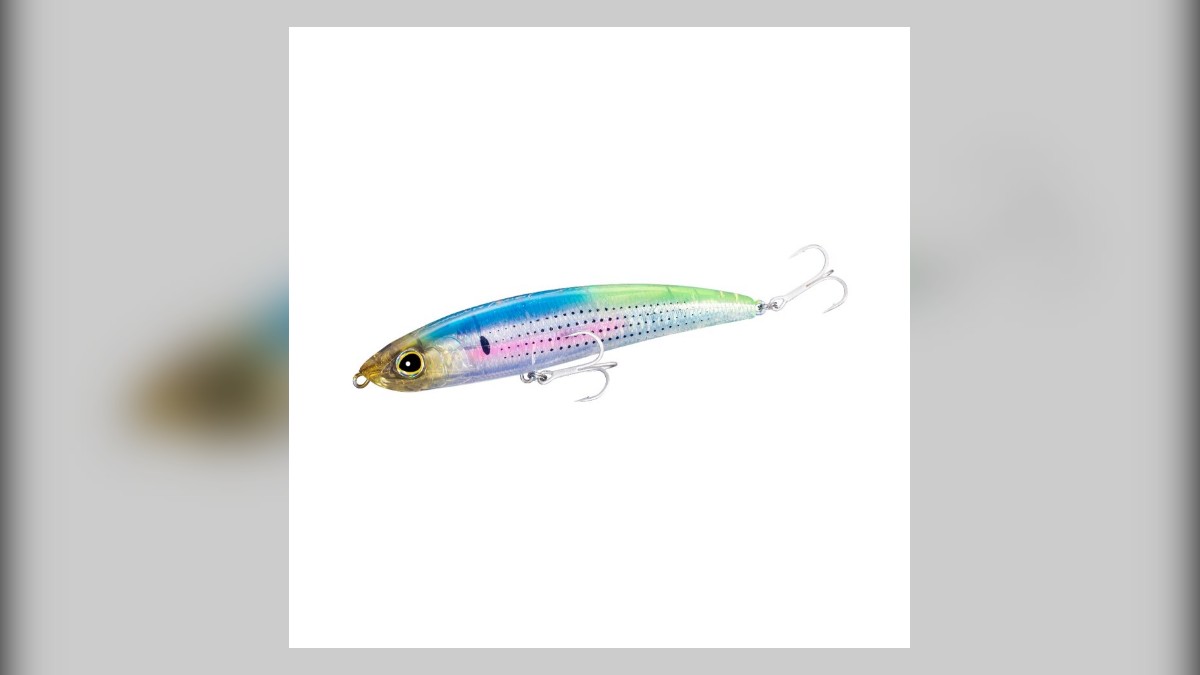
Every autumn, huge schools of konoshiro – gizzard shad – push into Japanese bays and river mouths, and the biggest seabass of the year follow them. Fishing that “konoshiro pattern” with big lures has been a craze in Japan for about a decade. The result: the fish have seen a lot of big lures, and simply throwing one out and winding it does not work like it used to.
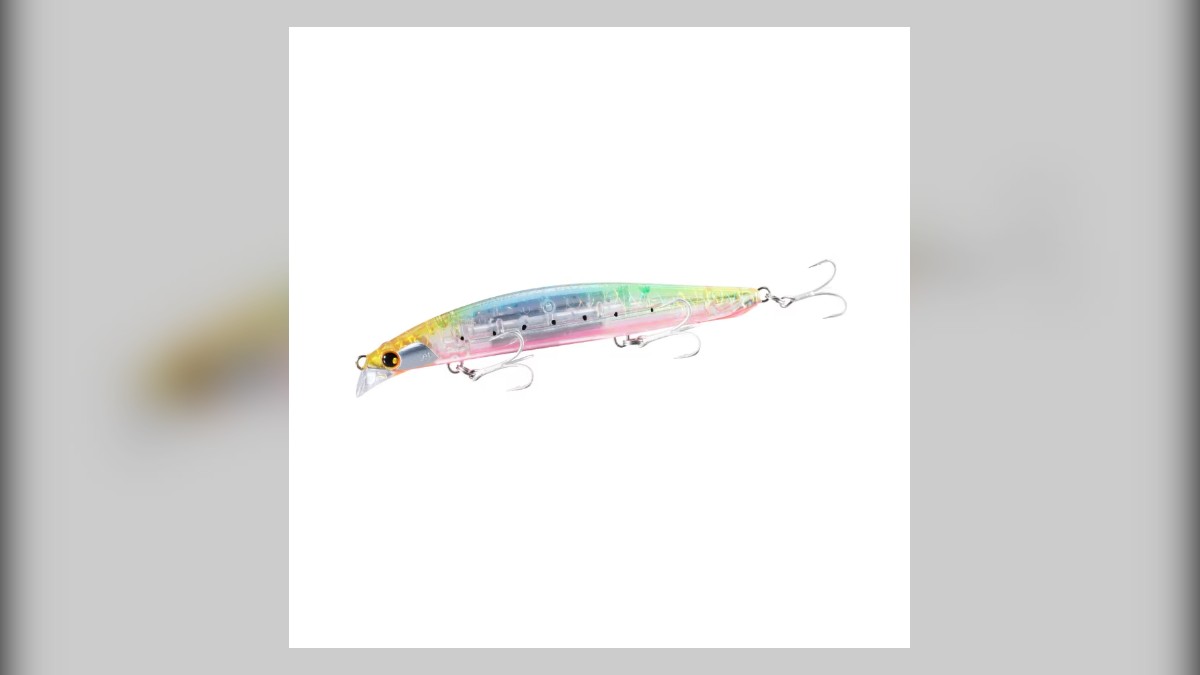
Shimano’s answer is the Exsence Konoshiro Pencil 185F Slide Tune, a reworked version of its well-known 185 mm gizzard shad pencil. Here is what changed and why it matters.
The original Konoshiro Pencil 185F was good, but it had a habit: on a slide action, the head would dive. That made it hard to work well unless you had a lot of time on it. It also sat tail-down when you paused – and the pause is often exactly when a following seabass decides. A big shad hanging at an unnatural angle gets refused.
At 78 g it casts easily and flies stably, which also reduces tangles – not a small thing with a lure this size.
| Model | Shimano Exsence Konoshiro Pencil 185F Slide Tune |
| Type | Floating |
| Length | 185 mm |
| Weight | 78 g |
| Casting distance (Shimano test) | 57 m |
| Swimming angle | 17 degrees |
| Hooks | #2/0 x 2 |
| List price (excl. tax) | 3,500 yen |
| Released | October 2024 |
| Colour | Notes |
|---|---|
| Konoshiro | The natural gizzard shad – start here |
| Matt Chart | High visibility for stained water and low light |
| Florida | A bold attractor pattern |
| Orange Konoshiro | Shad pattern with an orange belly for murky water |
| Watermelon (Suika) Konoshiro | Green-and-red shad variant |
| Clear Konoshiro | Subtle, for clear water and pressured fish |
This is a lure for one job: the late-autumn gizzard shad run, typically November on the Pacific side. When shad schools bulge the surface in a bay, harbour or river mouth, big seabass are usually underneath. The rule of thumb is big bait, big lure – and with shad you run the lure right through or under the school, not along its edge. (The full month-by-month picture is in Japanese seabass in autumn.)
A 78 g lure needs a rod rated for it – a dedicated big-bait seabass rod or a shore-jigging rod in the MH-H range – and a reel in the 4000-5000 class with PE 1.5-2. Standard seabass rods rated to 40-50 g are not enough.
The Slide Tune takes a proven gizzard shad lure and fixes the two things that cost bites: an unstable slide and a tail-down pause. If you fish the late-autumn shad run for big seabass, it is the version to buy. If you do not fish that pattern, this is not a general-purpose lure – but for that one window, it is a serious tool.