Japanese PE Line Sizes Explained: gō Numbers, Leader Pairings and a Full Chart
minagiman
Minagiman's Fishing Adventures in Japan
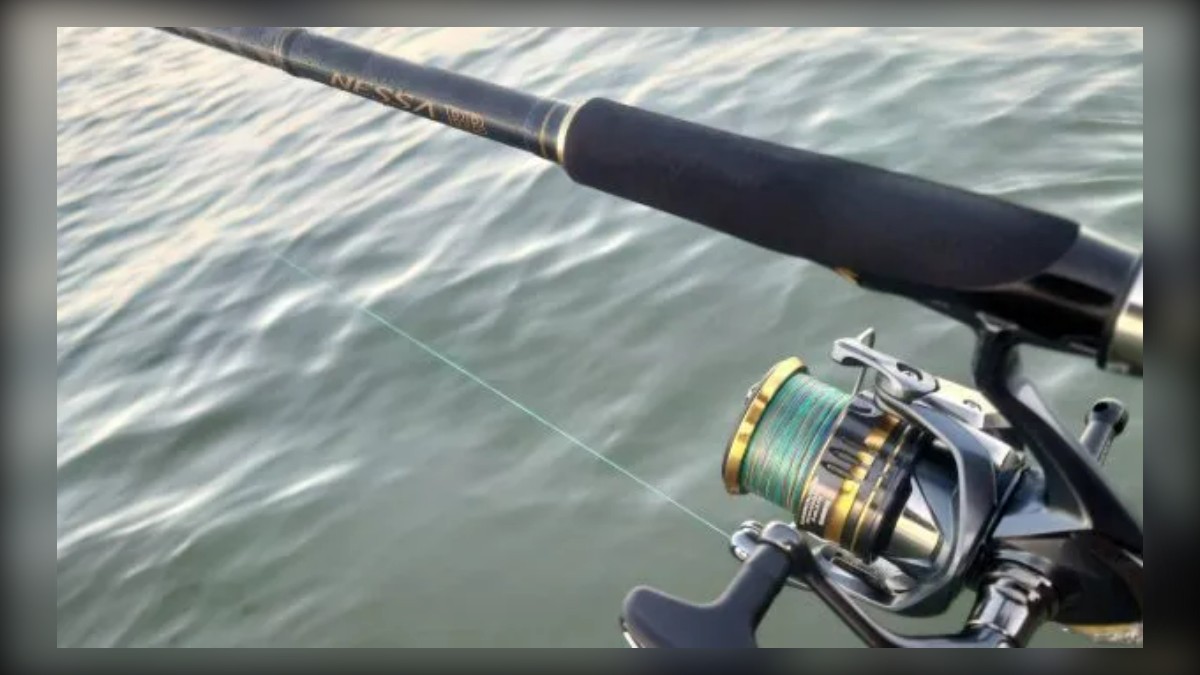
Every autumn, social media fills with “caught a yellowtail!” posts — and you want to try it too. That is shore jigging. Here is everything a beginner needs: tackle, budget, technique, spots and safety, so you are ready for the autumn pelagic season.
You cast a metal jig from shore (piers, beaches or rocks) to target pelagic fish such as yellowtail (buri, warasa), Spanish mackerel (sawara) and amberjack (kanpachi). Metal jigs are heavy and aerodynamic, so they fly a long way and reach fish roaming offshore.
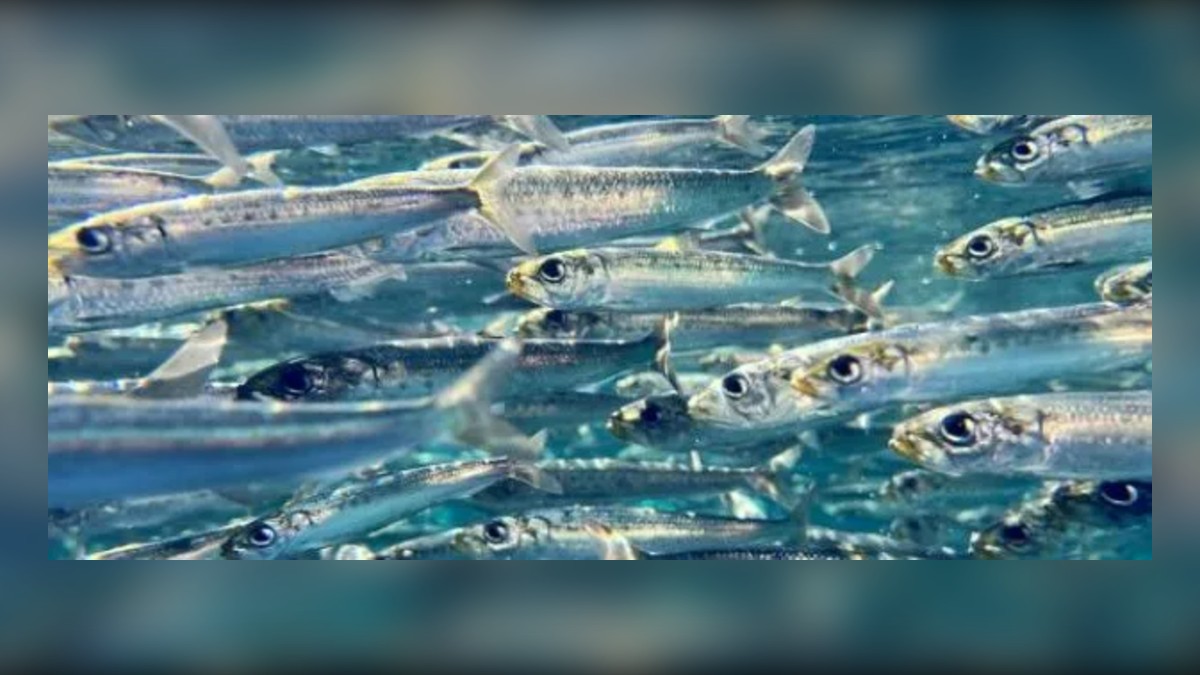
In autumn, bait such as sardines comes close to shore and pelagics follow. Fish are often smaller (inada, wakashi), but there are more of them, so beginners have a good chance at a first fish.
| Item | Beginner guide | Note |
|---|---|---|
| Rod | 9’6”–10’, M–MH | Comfortably casts ~40 g jigs |
| Reel | 4000–5000 spinning | High-gear (XG/HG) is easier |
| Main line | PE 1.5–2 | 200 m or more |
| Leader | Fluorocarbon 30–40 lb | About 1.5–2 m |
| Metal jigs | Mainly 30–40 g, 3–5 pieces | Expect to lose some |
| Pliers | Long-nosed | Essential for unhooking |
| Fish grip | Strong enough for pelagics | To hold struggling fish safely |
| Life jacket | Essential | On piers and beaches too |
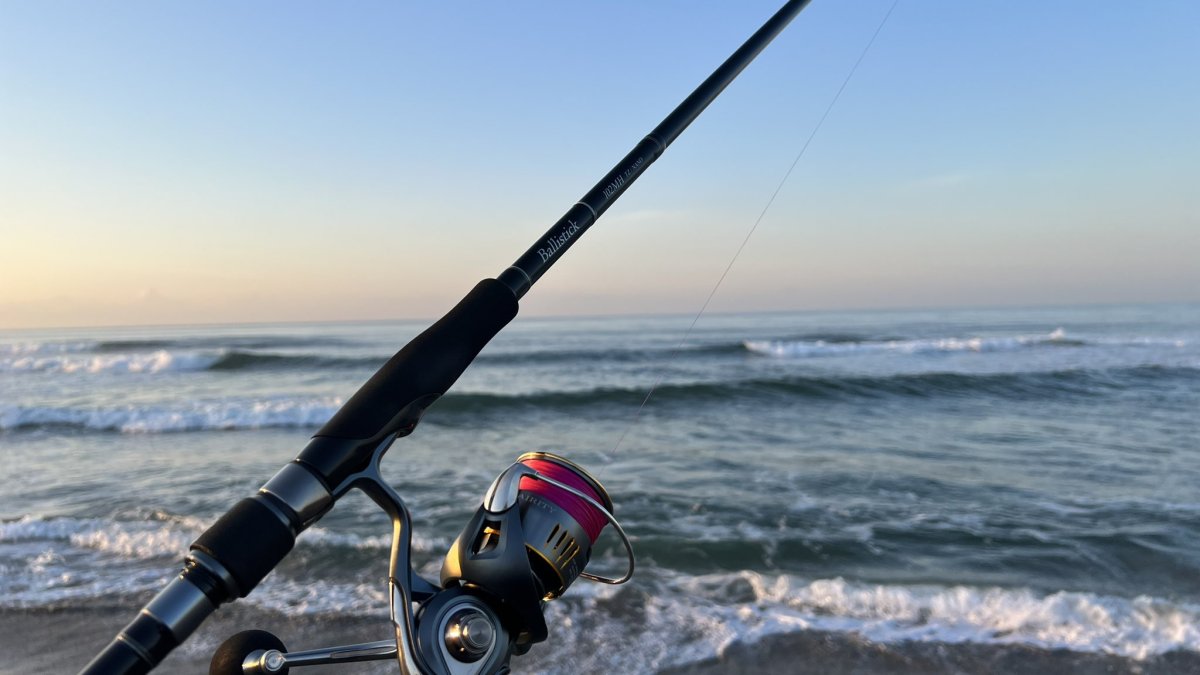
Some people use seabass or eging rods, but if you are throwing ~40 g jigs all day, a dedicated shore jigging rod is far easier — both for casting and for fighting fish. Use PE line for distance with a fluorocarbon leader against abrasion and teeth.
| Class | Daiwa rod example | List price |
|---|---|---|
| Entry | Shore Jigging X | 16,500–17,700 yen |
| Standard | Dragger X | 23,000–37,500 yen |
| Mid | Dragger SX | 51,000–70,000 yen |
| High | Dragger EX | 112,000–115,000 yen |
Street prices are usually lower. For a 4000-size reel, rough street prices start around 7,000 yen (Shimano Sahara), 16,000 yen (Ultegra) and 22,000 yen (Stradic). A balanced first setup: a 20,000–30,000 yen rod and a 10,000–20,000 yen reel.
Whatever you do, feel the bottom: when the jig lands, line stops peeling off. Without that you get more snags and lose track of depth.
| Spot | Character | Beginner-friendly |
|---|---|---|
| Piers | Good footing, often deep; lots of people and information | Excellent |
| Beaches | Wide, easy to cast; watch waves and rips | Good |
| Rocks | Best for big fish but dangerous footing | Later, with experience |
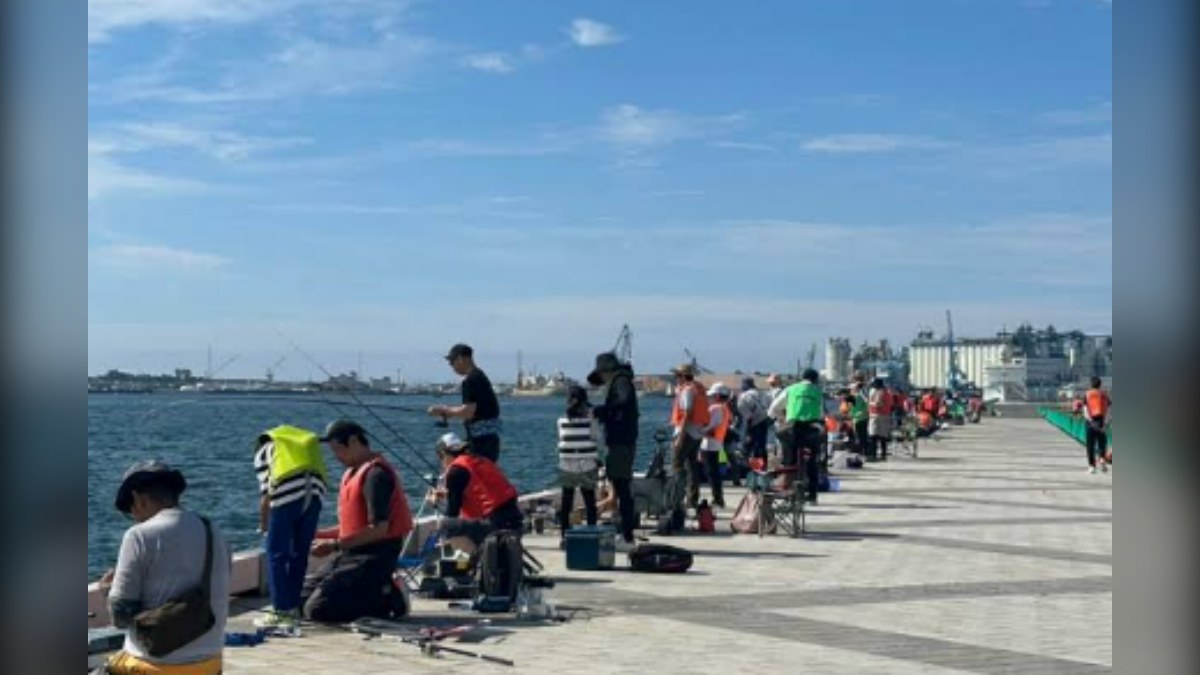
Start at a pier with good footing, railings and parking. Watch where others cast and what is working. On busy piers, mind your casting direction to avoid tangling with neighbours.
Dawn is the best chance — bait starts moving and pelagics feed hard. Popular spots fill up before light, and autumn mornings are cold, so dress for it.