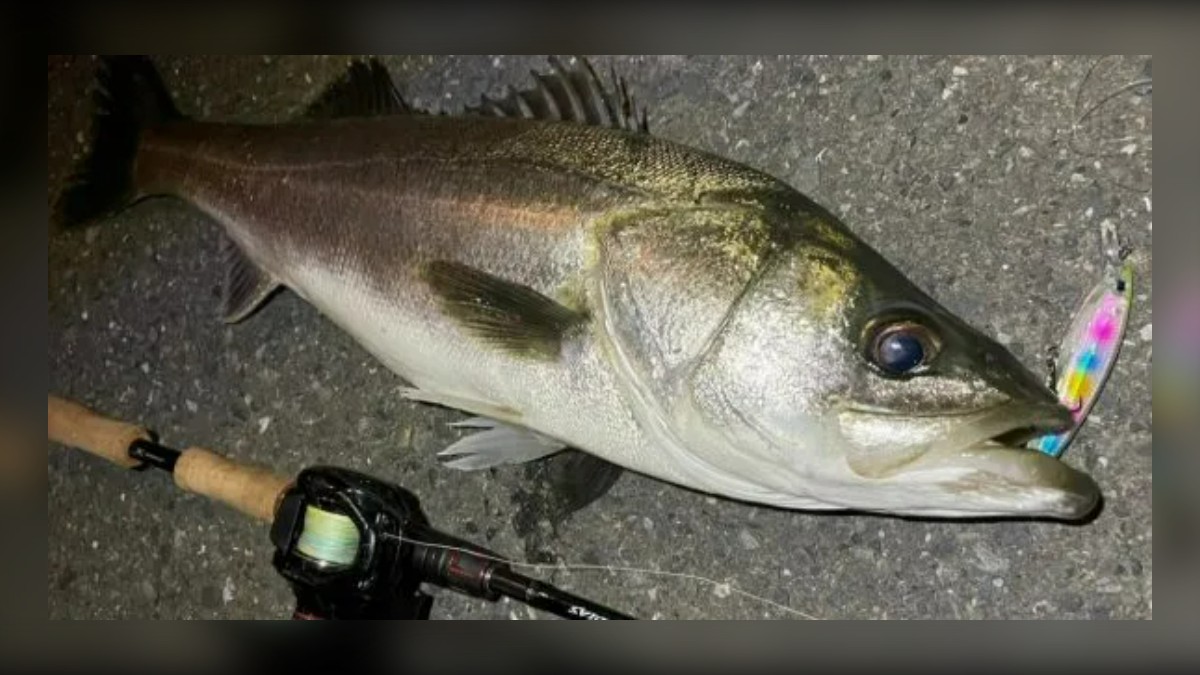
Japanese Flounder (Hirame): A Guide for Anglers Visiting Japan
minagiman
Minagiman's Fishing Adventures in Japan
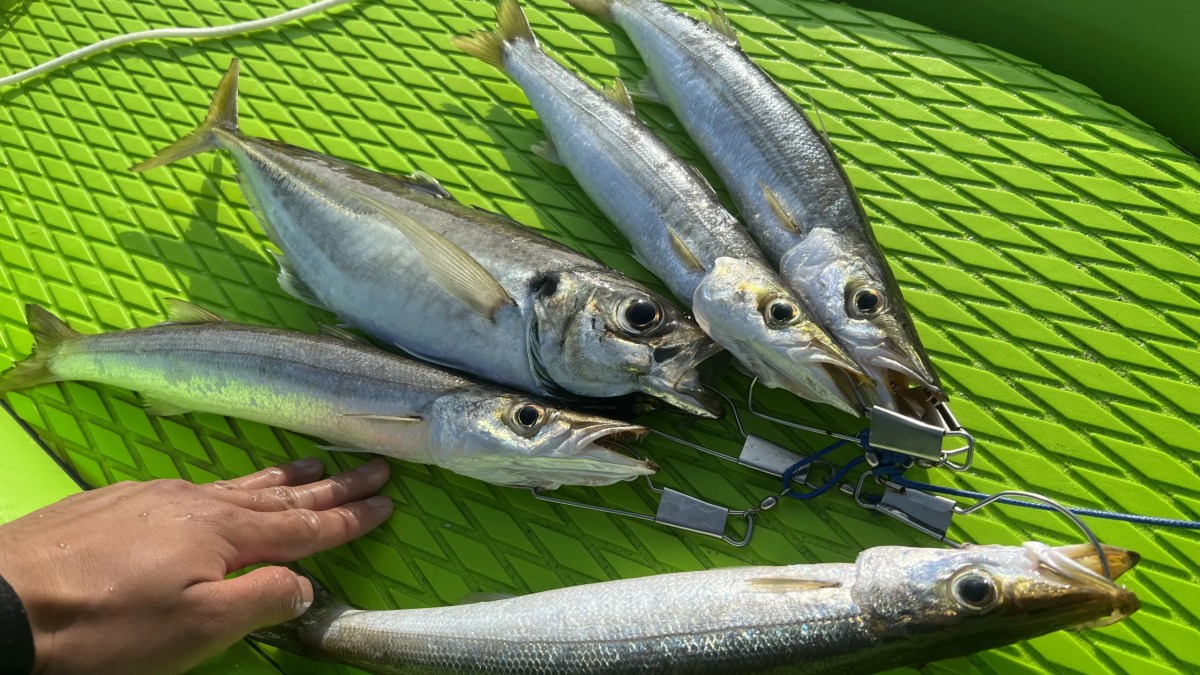
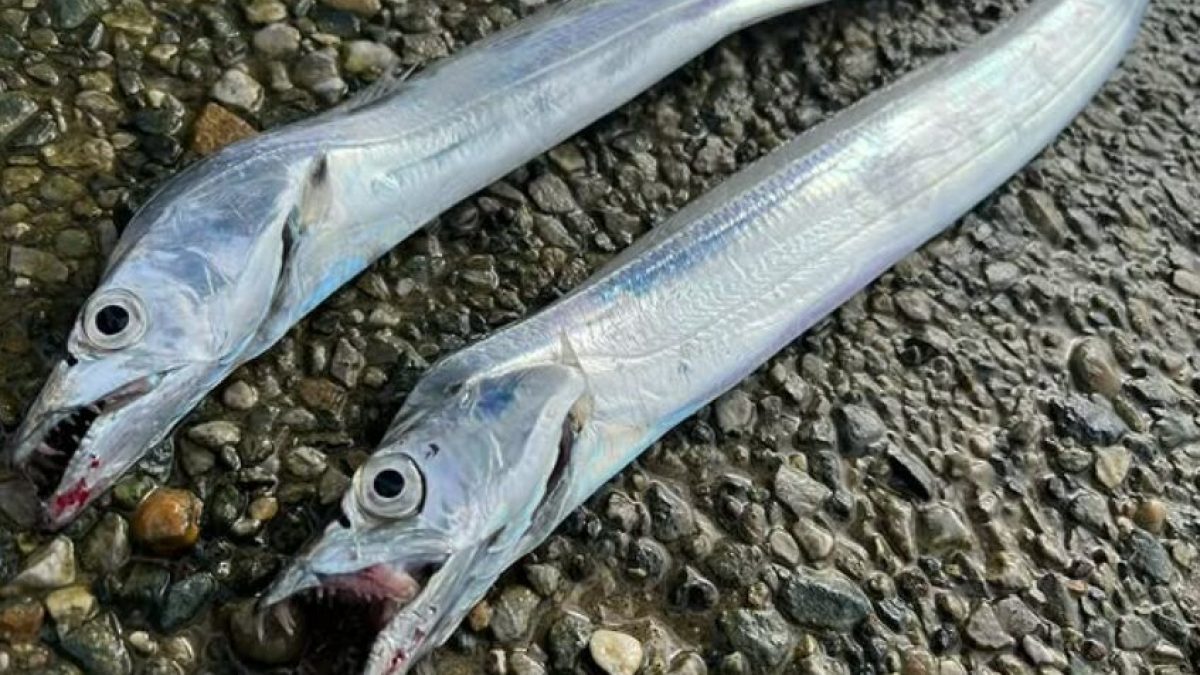
September on a Japanese beach: there is bait everywhere, you are throwing yellowtail lures, and all you get is a stream of small, sharp taps. Eventually you land one – a long, thin silver fish with an underslung jaw full of teeth. A barracuda. Kamasu.
If you came for yellowtail, the natural reaction is “you again”. But on my coast, barracuda turning up actually tells you something important about the season. This is how to catch them, and what they mean.
Going back through my own catch reports, one thing was consistent: in mid-September, yellowtail have not properly arrived yet – barracuda come in first. On 10 September 2024 my notes say “plenty of bait, barracuda in huge numbers”. I went for yellowtail and caught barracuda.
Put simply, autumn on this coast runs in a sequence:
| When | Who arrives |
|---|---|
| Early to mid September | Barracuda (kamasu) |
| Early October | Ribbonfish (tachiuo) |
| Mid to late October | Yellowtail season opens |
Barracuda appearing means bait is moving inshore. Roughly a month later, the yellowtail tend to follow. Ribbonfish are the closer signal – see ribbonfish (tachiuo) and when yellowtail arrive.
A long thin body, a protruding lower jaw, and sharp teeth. As it looks, it is a pure fish-eater that runs down schools of small baitfish.
Fish for them with yellowtail lures and you mostly will not catch them. Barracuda have small mouths, so dropping lure size comes first.
| Item | Guide |
|---|---|
| Lure size | About 5-9 cm. Yellowtail lures over 10 cm are usually too big |
| Weight | 10-30 g. Around 20 g is easiest on a beach where you still need distance |
| Colour | Silver as default. Pink or gold at dawn and dusk, glow when dark |
| Retrieve | Quick. A fast straight retrieve with the odd change of pace |
The general jig advice is in my metal jig guide, but for barracuda specifically, just remember: one size smaller.
Barracuda roam, so this is about catching the moment they are in front of you rather than finding the spot they live in.
Where to stand is the same question as for any beach fish – see how to read a surf beach.
Barracuda teeth are sharp. They rarely cut you off in one go the way Spanish mackerel do, but you will often find the leader has gone rough without noticing.
Re-tying eats fishing time, so leave a longer leader to start with – more in knots on the beach.
Barracuda flesh is soft and spoils fast. They do not need the full bleeding treatment you would give a yellowtail, but whether you kill and chill them straight away makes a clear difference to the taste.
The basics of killing and chilling are in how to bleed and chill a fish on the beach.
On a given day they can compete for the same water, but over the season it is the opposite. Barracuda inshore means bait inshore, and the bait is what brings yellowtail in later. Treat barracuda as the advance party.
Yes, as long as you make the lure smaller. Rod and reel can stay the same. Bites are harder to feel, though, so lighter dedicated tackle is more fun.
Your lure is almost certainly too big. Go a size down. If that still does not work, change the hook size or add an assist hook at the rear.