Five Lures for Japanese Flounder From the Beach, and When Each One Works
minagiman
Minagiman's Fishing Adventures in Japan
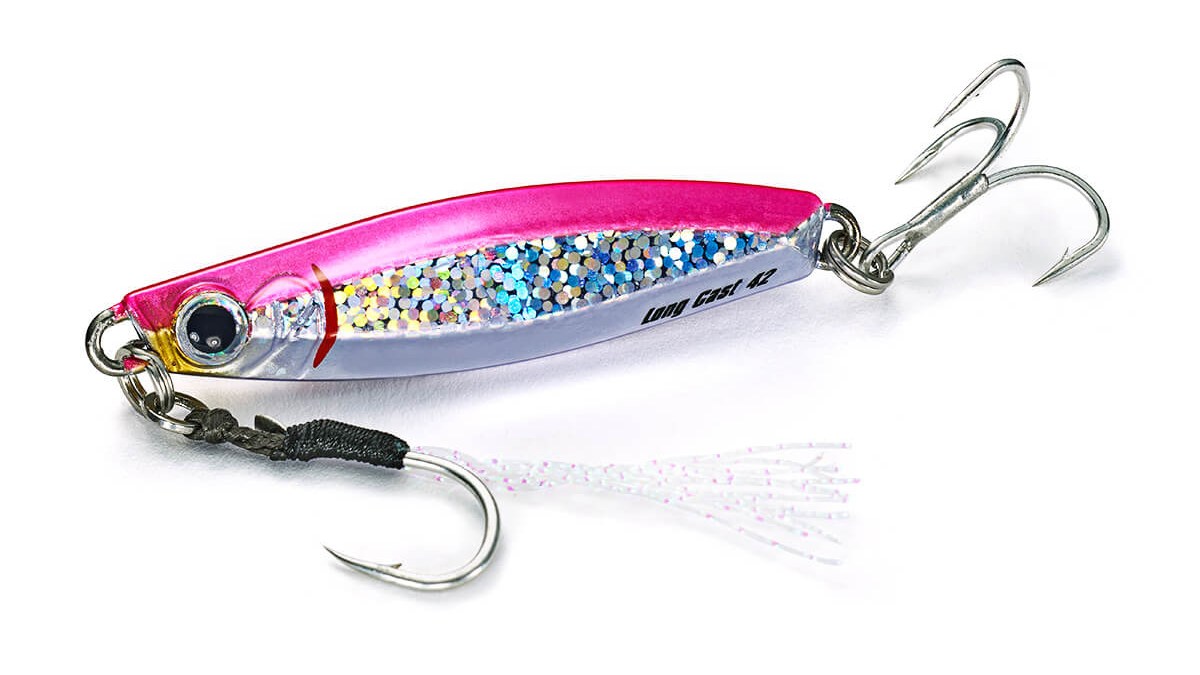
Metal jigs are the lures that let you reach fish from the beach when nothing else will. They are also the lures people get wrong most often, usually by buying the heaviest one in the shop. This is how I choose weight, fall type, colour and hooks for shore fishing, and the nine Japanese jigs I actually keep in the box.
It is tempting to think that more weight equals more distance equals more fish. That is only half true. A jig that is too heavy hits the bottom quickly and spends very little time in the layer you actually want to fish. On shallow surf, an over-weighted jig turns into a lure that just bangs along the sand and collects snags.
The standard is the lightest jig that will hold your target depth in today’s wind and current. Distance is the tiebreaker, not the goal.
| Conditions | Weight | What you are doing |
|---|---|---|
| No wind to light wind, shallow surf | 20-30 g | Showing the lure slowly. Easy to hold the surface and middle layers. |
| Standard surf, tailwind or crosswind | 30-40 g | The bracket you will use most. Start here. |
| Headwind, fast current, boils out wide | 40-60 g | Distance and depth control take priority, and you can feel the bottom. |
| Breakwaters, steep drop-offs, waiting on a run of fish | 40-80 g | Working a deep layer, mostly lifting up off the bottom. |
At the same spot, a change in wind direction alone changes the right weight. Carrying one jig in three weights beats carrying three different jigs.
The upper lure weight printed on a rod is the limit it can throw, not the weight it throws comfortably. Full-casting a 60 g jig all day on a rod rated to MAX 60 g punishes the rod and the angler. Work to about 70-80 percent of the stated maximum.
Where the weight is placed changes everything about how the jig behaves when it is not being reeled.
If fish are following but not eating, changing the fall type is usually more productive than changing the colour.
I keep it simple and carry three: a silver or sardine pattern for bright days and clear water, a pink or pink-head pattern as the do-everything confidence colour on Japanese coasts, and a glow or chartreuse for low light, dirty water and dawn. If the water is clear and the sun is up, natural. If it is dark, dirty or first light, something that stands out.
Pelagic fish eat head-first, and the front assist hook is what catches them. The rear treble picks up short strikes and fish that chase the jig down. That combination is the starting point.
Fast retrieves and toothy fish – Spanish mackerel and their smaller cousins – cost you a lot of hooked fish. A rear double hook setup, like the one on the Samurai Jig R Spin, raises the hook-up rate while snagging less than a treble.
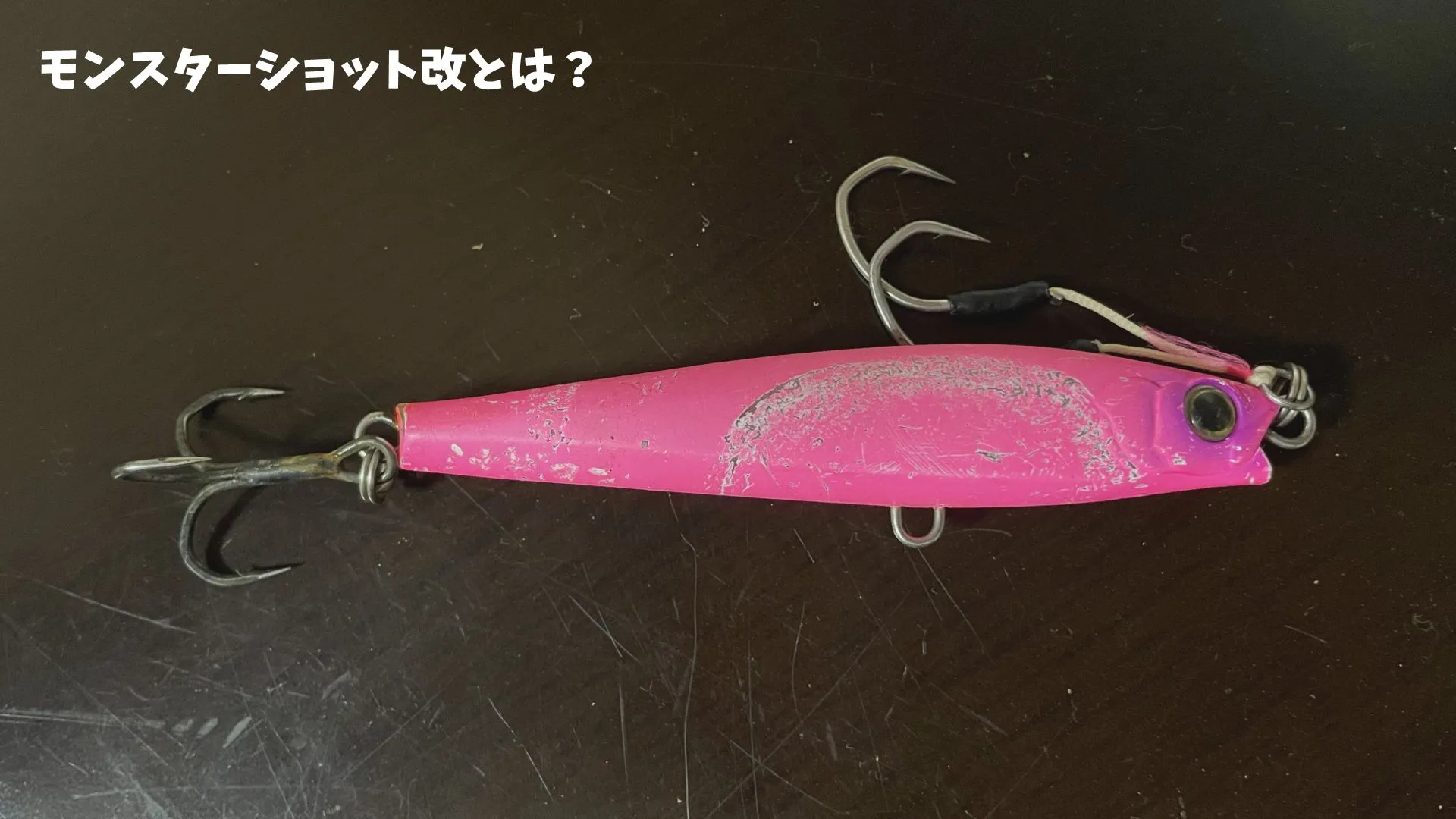
The one I tie on first. Four sizes – 20, 30, 40 and 60 g, 75 to 105 mm – with the weight moved rearward for a stable flight. Tinsel-dressed Saqsas assist at the front, a heavy-wire treble at the back. It very rarely tangles on the cast, which sounds minor until you have fished a windy day with something that does.
Released July 2026. Same idea with a rear double hook to reduce dropped fish, and a swimming attitude that holds together on a fast retrieve. Where Spanish mackerel are mixed in with the pelagics, this hook setup turns follows into landed fish.
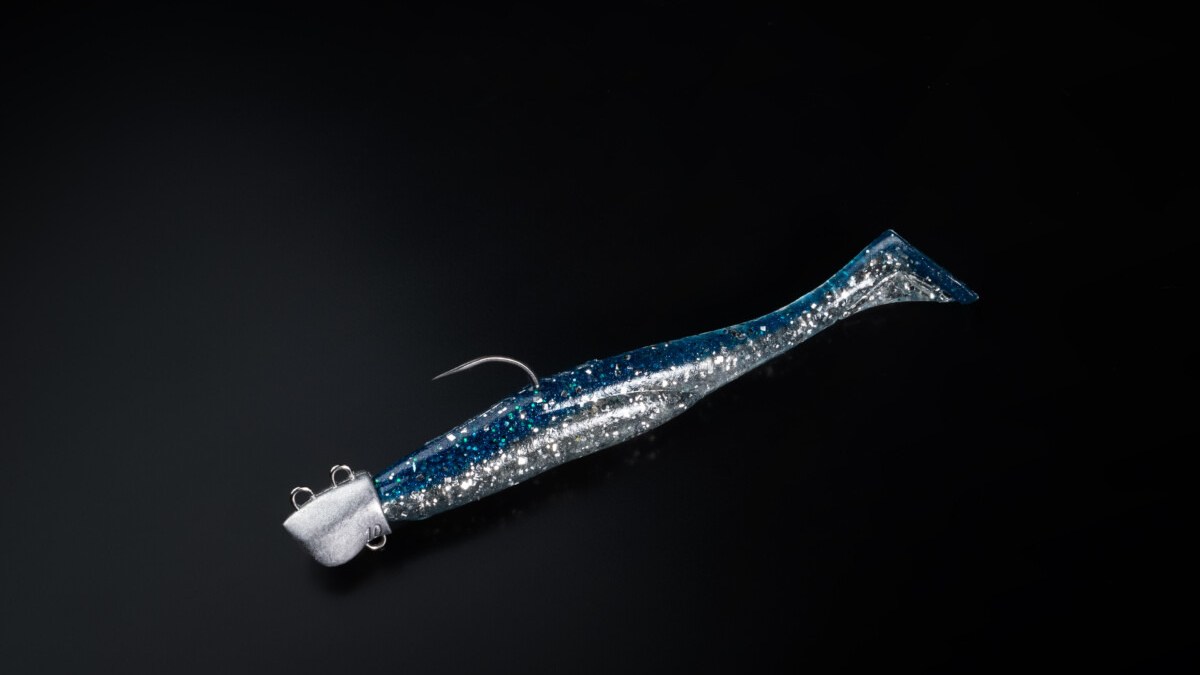
A metal jig that swims like a minnow. It works on a straight retrieve, so you do not need to be good at jerking to catch on it, and the blade adds flash. Cheap enough that you can fish it hard over ground where you expect to lose lures.
A compact silhouette that still casts well, which is exactly what you want when the bait is small. It comes in four types, so you can change fall speed without leaving the series.
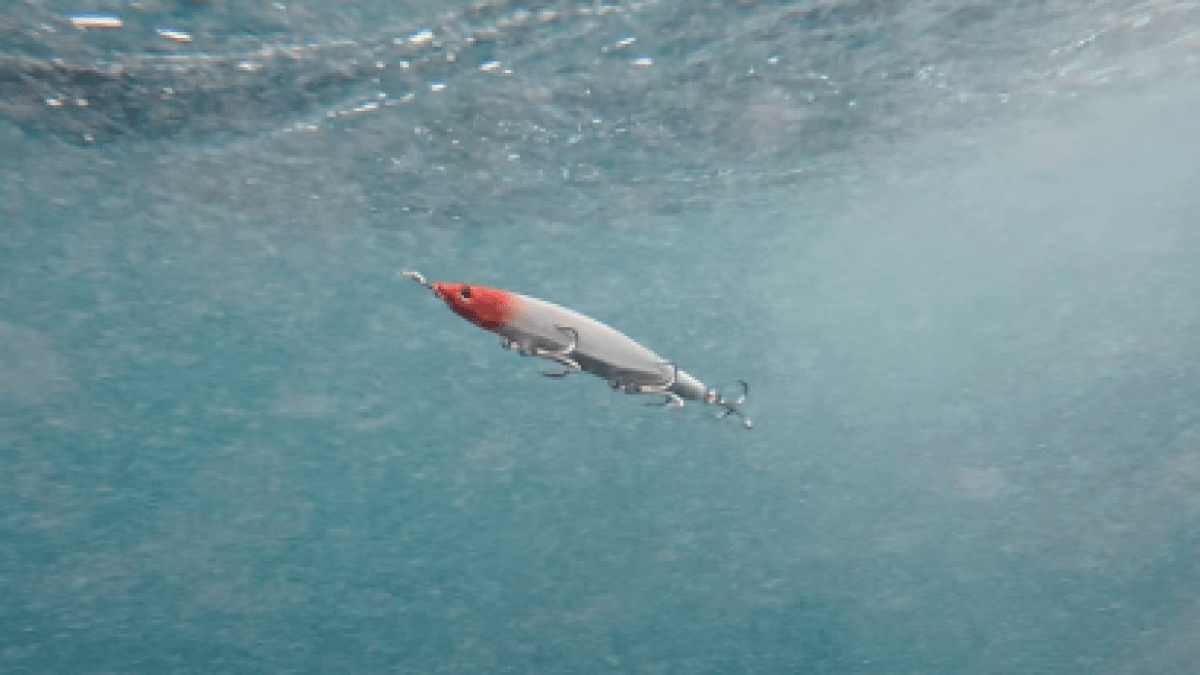
Built for range, and the jig I reach for in a headwind or when the fish are working a long way out. A 16 g size was added in 2024, so it now covers lighter fishing too.
Tungsten is denser than lead, so a tungsten jig is physically smaller and sinks faster for the same weight. That solves the contradiction of “the bait is tiny but the wind means I need weight”. They cost significantly more, so most people carry one or two rather than a full set.
A shore jigging staple, 28 to 60 g (model codes JW-228S to JW-260S), with a high-appeal version as well. Its real practical advantage is availability: you can walk into almost any Japanese tackle shop and find one.
Built around the problem of Spanish mackerel cutting you off. The rear blade gives flash while the design keeps the line further from the teeth. On autumn beaches that is worth more than an extra five metres of casting.
A blade bait that works naturally on a straight retrieve. Keep one for the days when fish will not react to a jig at all – it gives you a different action to rotate through rather than another version of the same one.
Metal jigs catch flatfish and pelagics both, but the rod should follow what you are actually chasing. A surf rod is designed for casting all day and hooking flatfish; a shore jigging rod is designed for working heavy jigs and stopping a strong fish.
| What you are after | Rod |
|---|---|
| Flounder plus the occasional pelagic | Surf rod, around 10 ft, ML class |
| Pelagics from the beach or breakwater | Shore jigging rod, MH class |
For pelagics from shore, 4000 to 6000 is standard. High gear or normal gear comes down to whether you value retrieve speed or a lighter wind. When you are covering water looking for fish, high gear usually wins because you get more casts in.
Remember that the Japanese gō number is a thickness unit, not a strength unit, so two PE 2.0 lines can have different lb ratings. As a rule the leader should be roughly three to four times the PE number in pounds. There is a full chart in the PE line and leader guide.